Cinema built into the architecture — designed for the room, not assembled from parts.
The difference between a real home theater and a big TV with a soundbar is not one product — it is the whole install. The right equipment specified for the actual room. The wiring run cleanly and done once. The system tuned and calibrated to the space before we leave. When a build or remodel is on the table, we coordinate with your architect, builder, or designer so the AV is part of the architecture from the start — not retrofitted in after drywall closes.
A room built for cinema and nothing else. Acoustic treatment, riser seating, blackout, projector and screen. Designed for the seat — sightlines, sound, and light all start from where the audience sits.
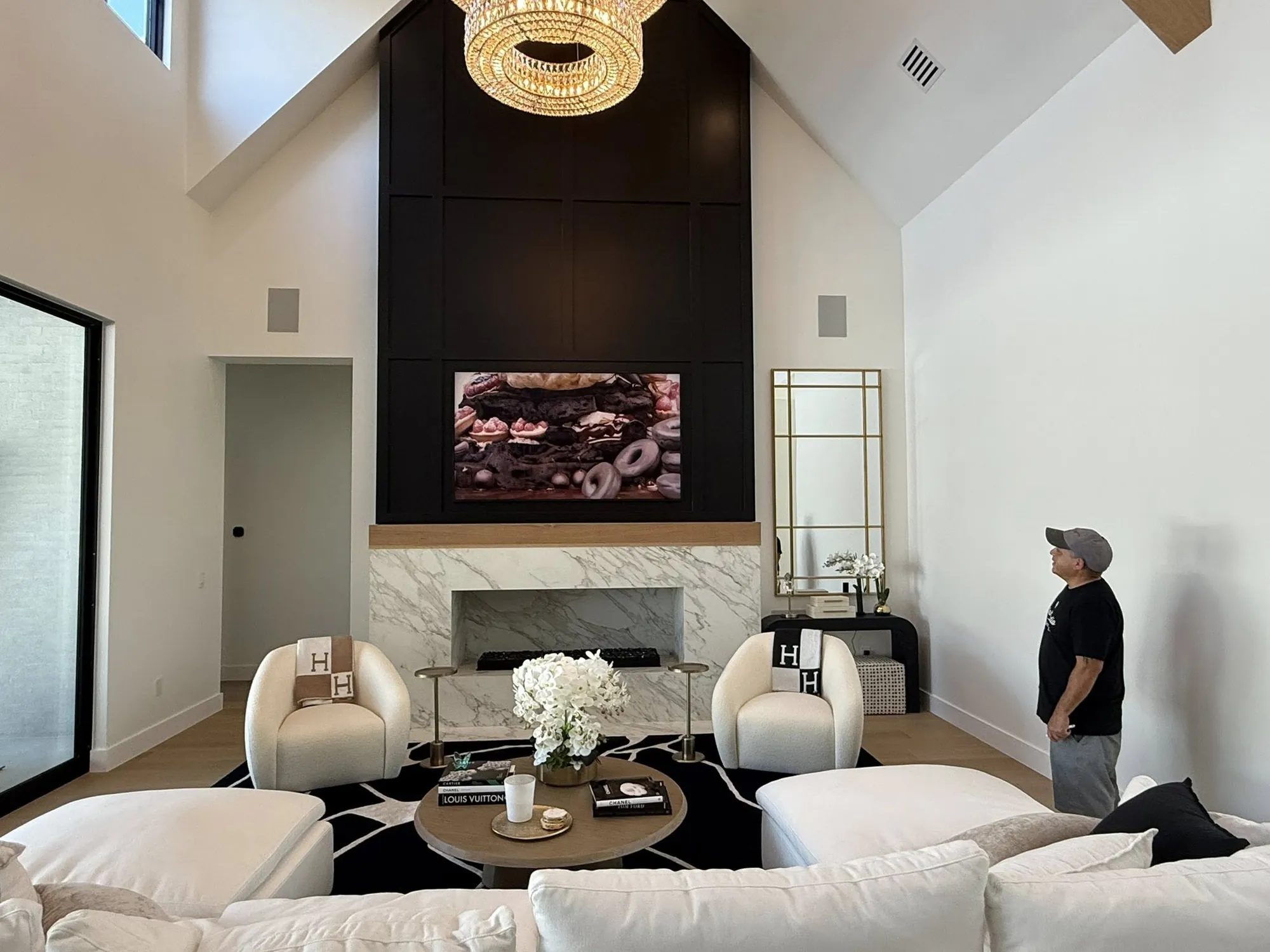
A living space that doubles as a theater. Daylight handled, sound tuned to a furnished room, screen integrated into the architecture. Used every day, transforms for movie night.
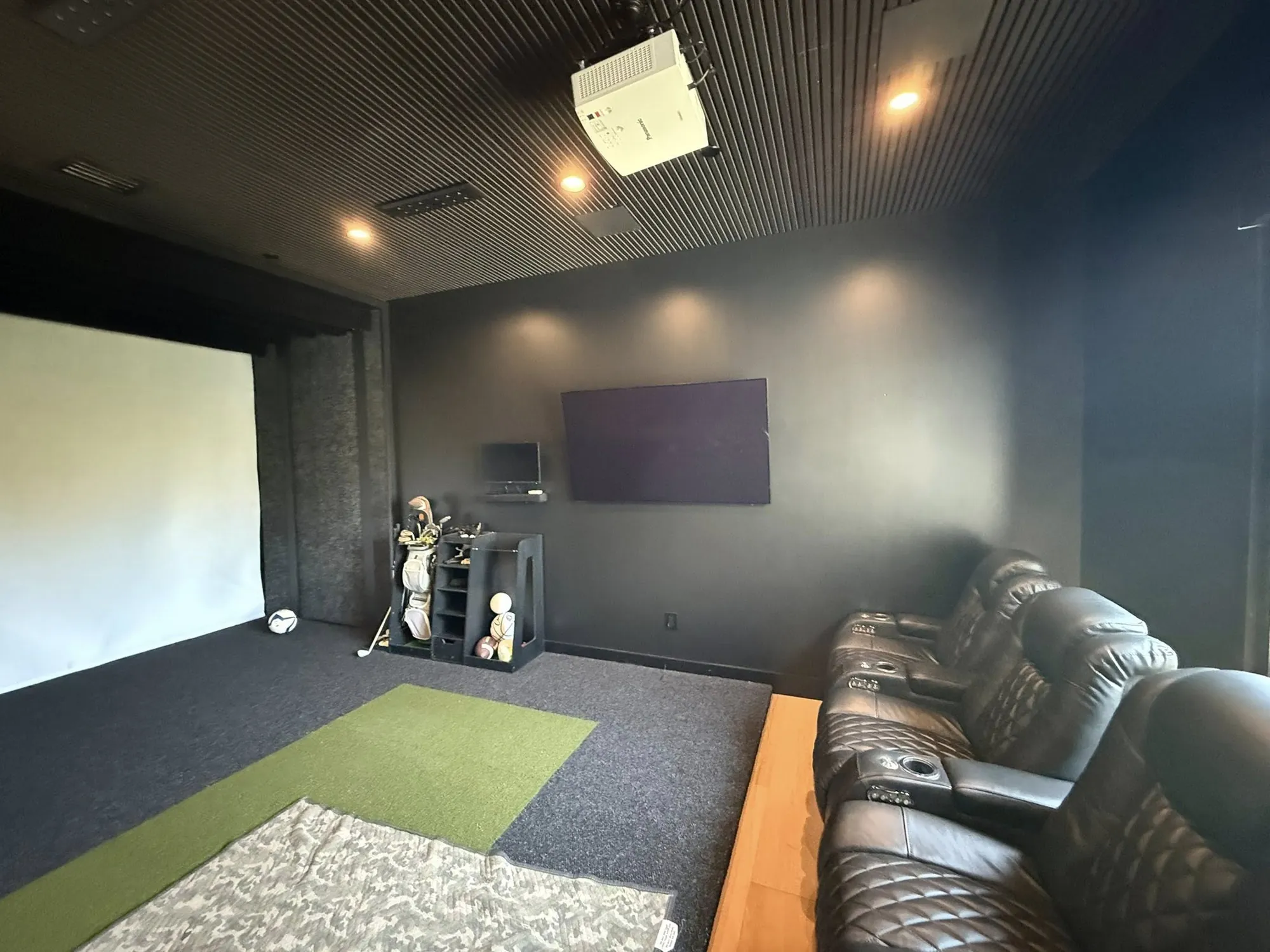
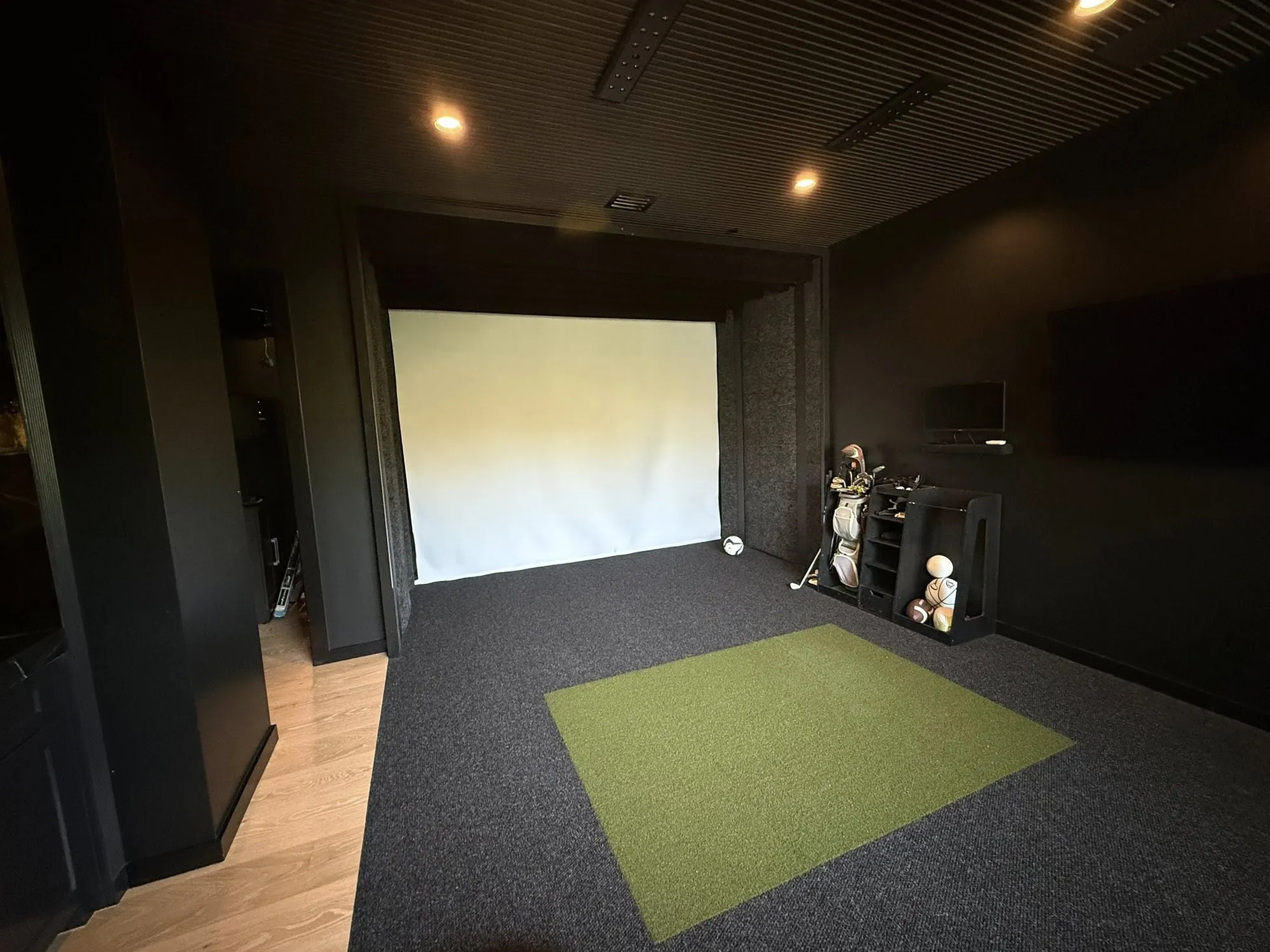
A room that has to do more than one thing — like the 7.2 golf-and-theater room in our flagship Austin estate. The system knows which mode you are in and configures accordingly.
For a dedicated theater with full blackout, a top-tier laser projector and a properly sized screen will out-perform any flat panel — that is what cinema is. For media rooms with daylight and ambient light, modern OLED and high-end LED displays often deliver more contrast and brightness than a projector ever could. We spec the display to the room, not to a price sheet, and the answer is not the same in every project.
Screen size matters more than people think. A 120-inch screen in a 14-foot-deep room is overwhelming. A 65-inch TV in a media room with a 12-foot sofa is too small. We use real seat-to-screen ratios — based on what the family will actually feel — when we recommend a size.
A real theater is immersive — sound from in front of you, behind you, beside you, above you. Modern formats like Dolby Atmos and DTS:X add height channels that put the storm overhead and the helicopter passing across the ceiling. The right configuration depends on the room shape and what the family wants to feel, but the difference between a basic 5.1 setup and a proper immersive system is the difference between watching a movie and being in the movie.
Subwoofers matter as much as the speakers. Most theater builds we do use two subwoofers placed carefully — that is what produces the chest impact during action scenes without making the rest of the house shake. Speaker placement, equipment closet ventilation, and acoustic considerations all factor into how the final system performs.
A real home theater starts before the movie does. Lights dim. Shades drop. Projector warms up. Receiver switches to the right input. The room transforms in seconds, automatically, from one button on a wall keypad or one tap on the phone. When the theater is integrated with the rest of the home, this is one scene — and it is what separates a real theater from a room with a TV in it.
A theater is only as good as the calibration on the day it is commissioned. Speakers tuned to the actual room with room-EQ measurements, projector calibrated for the ambient light conditions, video calibrated to the display's real capability — not the factory defaults. This is the unglamorous step that separates a real install from a stack of expensive gear in the wrong room. We calibrate every system before we leave it.
A media room build with high-quality finishes and proper calibration generally starts in the high five figures. A dedicated theater with full acoustic treatment, riser seating, and a top-tier projector runs higher — every project is scoped specifically. We do not quote on the phone because the room and the goals drive the number, not a price sheet.
Yes. In a media room, in-wall and in-ceiling speakers tuned to the space can perform at near-reference level when specified properly. In a dedicated theater, speakers can sit behind an acoustically transparent screen so the sound seems to come from the picture itself. Equipment lives in a closet or rack room with proper ventilation, never in the open. The goal is a system that feels like part of the architecture, not bolted onto it.
It depends on how the room will actually be used. A dedicated theater is the right call when you want true cinema — riser seating, full blackout, calibrated audio with no compromise. A media room makes more sense when the space gets used every day for sports, gaming, family TV, and movie night is one of many things it has to do. Both are real home theaters when they are done right. We talk through it at the walkthrough.
Both. Projectors for dedicated theater rooms and any blacked-out space. TVs for media rooms, living rooms, kitchens, outdoors. We do not push one or the other — we recommend the right display for the room and the use.
Yes — and we recommend it. When the theater is part of the Control4 system, one button on a keypad can dim the house, lower the shades, switch the receiver, and start the movie. That integration is half of what makes a real home theater feel like cinema instead of a room with a TV in it.
Bellah designs and installs in Westlake Hills, Lakeway, Bee Cave, Dripping Springs, Barton Creek, Cedar Park, Dallas, Houston. See home automation, our full service area, or the Austin estate walkthrough.
Every project starts with Scott walking the space. About an hour. No charge, no commitment.
Book a Free Walkthrough