One system. Every room. Built for the way your family actually lives.
Real home automation is not one more app on the phone. It is a single brain underneath the whole home — lighting, audio, video, climate, shades, locks, cameras — all on one system, with one logic, and one set of keypads everyone in the family already knows how to use. The right system is not a brand decision; it is a design decision. We design around the way your home is actually lived in, room by room, and then we spec the gear that fits.
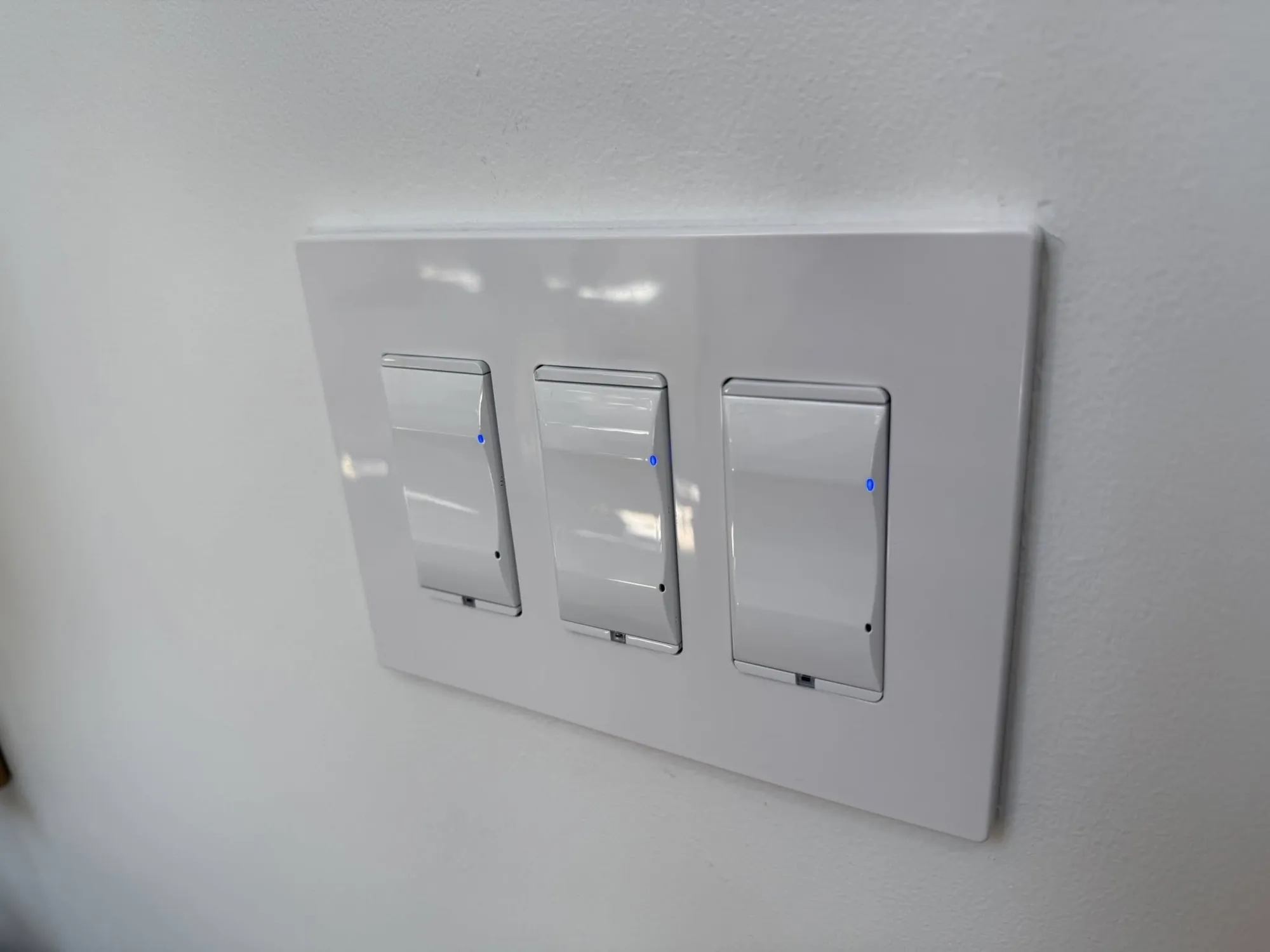
Every keypad in every room speaks the same language. Scenes — “morning,” “dinner,” “cinema,” “goodnight” — set once, run forever. The phone becomes optional.
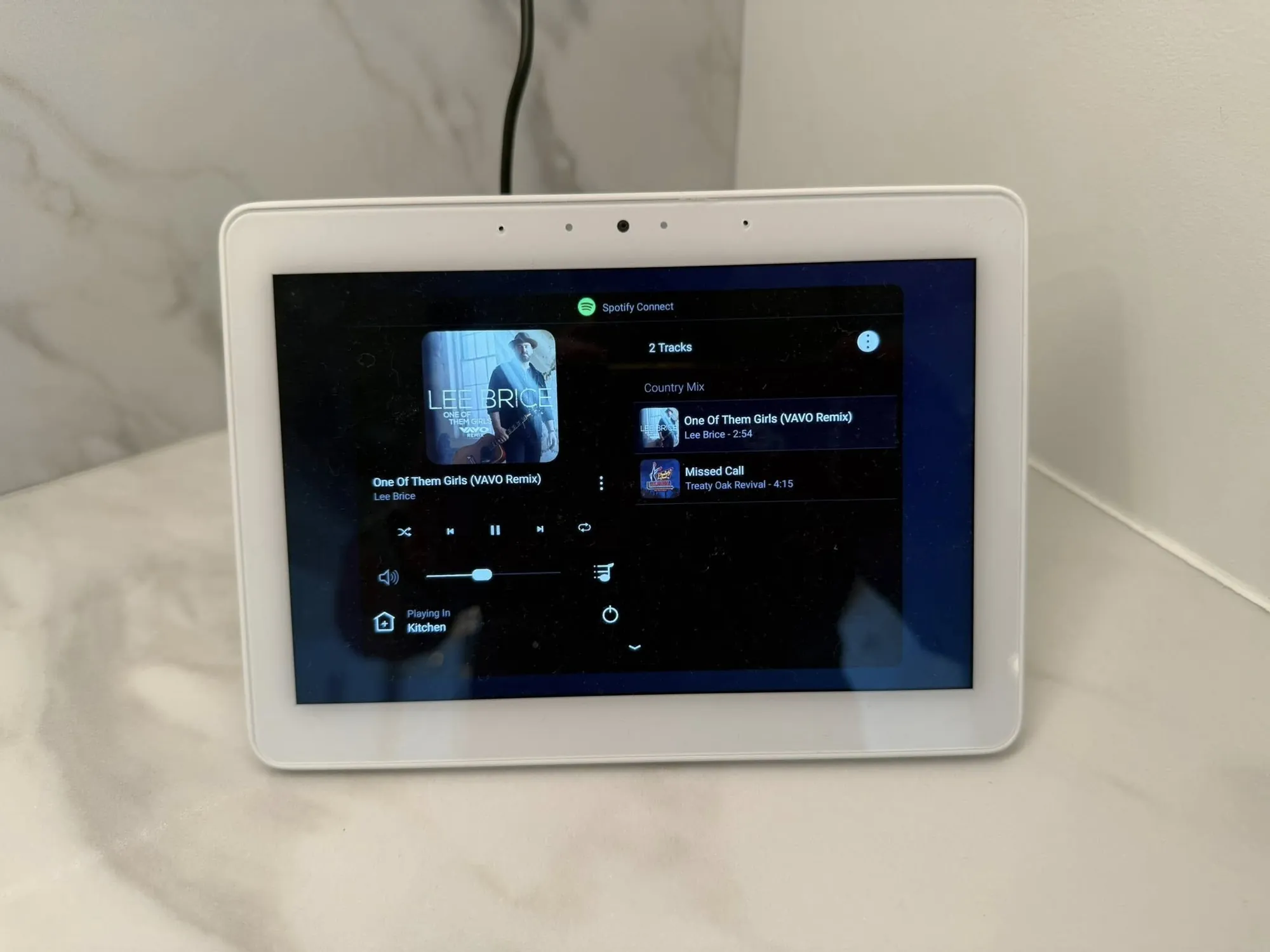
One source plays in any zone. Pick a song in the kitchen and have it follow you to the back patio. Watch any TV in the house from any source — no swapping inputs, no app jungle.
Thermostats, ceiling fans, and HVAC integrated into the same system. Scenes adjust temperature with lighting and shades. Vacation mode handles the whole home with one tap.
Motorized shades on schedules or scenes — close at sunset, open at sunrise, drop the blackouts the moment the projector turns on. Quiet motors, hidden tracks.
Cameras, smart locks, alarm panels, doorbells — all in one interface. See who is at the door from any room or any phone. Grant temporary access to the housekeeper without giving out a code.
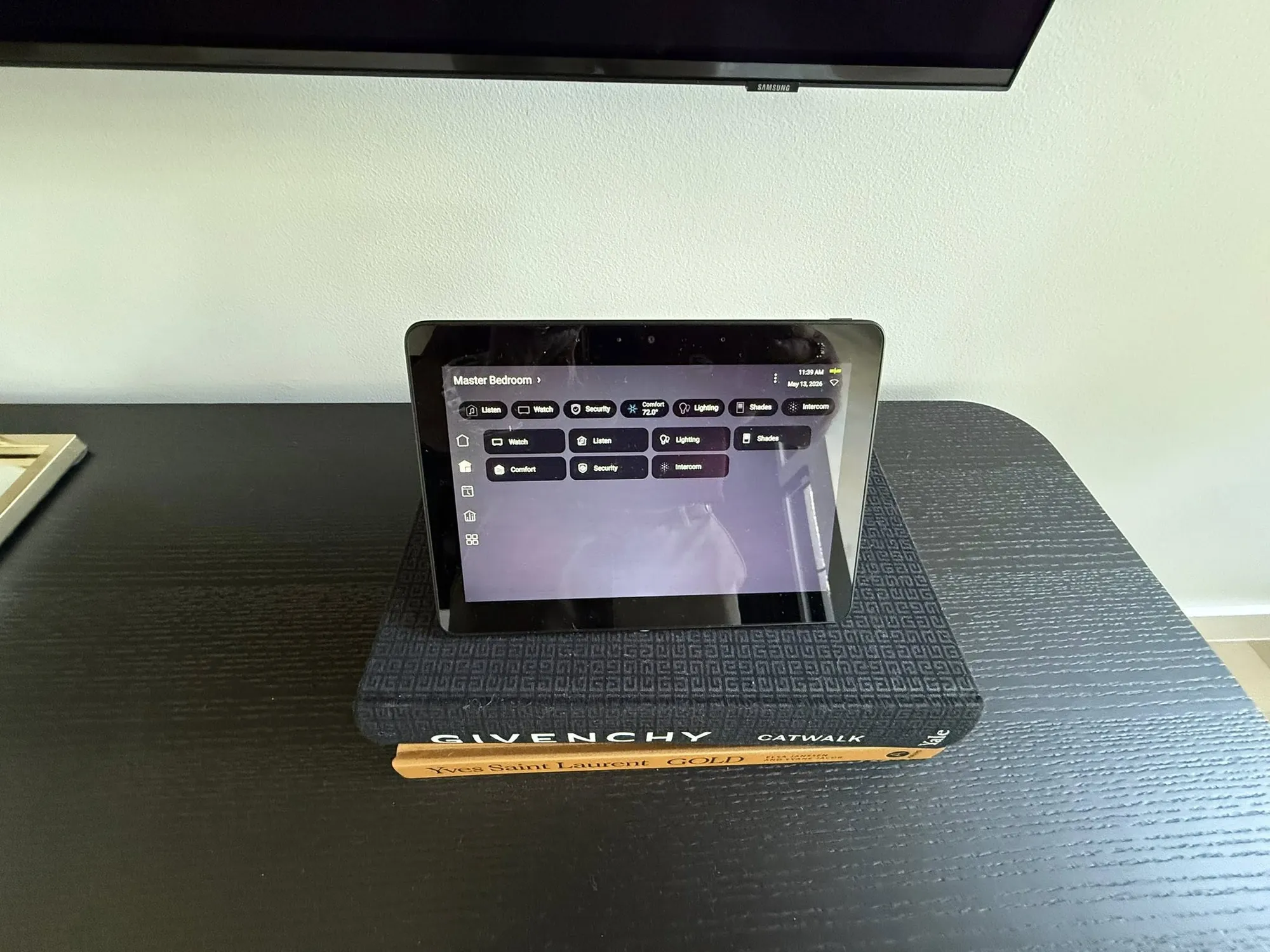
Wall touchscreens, in-room keypads, the phone, voice. Same logic everywhere. The home behaves the same way whether the kids, guests, or housekeeper are using it.
Every project starts with a walkthrough. Scott walks the space, listens to how the family actually uses the home, and designs the system around that — not the other way around. The questions are not about what equipment to buy; they are about how the morning unfolds, where the music should follow, what the room should look like during a dinner party, and what the wife absolutely does not want a remote for.
Then we design and pre-wire if it is a build, or plan the retrofit if it is not. Pre-wire during construction is small money. Retrofitting after drywall closes is two to three times the cost. If you are building anywhere in Westlake Hills, Lakeway, Bee Cave, Dripping Springs, or the Hill Country generally, the integrator conversation belongs before framing.
Every room is its own problem. An open kitchen with a wet bar, a master bedroom with vaulted beams, a covered patio that runs all summer, a guest room that gets used twice a year — those are four different design conversations. We look at each space, figure out what the family actually needs there, and spec the system that fits. Some rooms want a tablet on the wall. Some want one button that does everything. Some want to be completely invisible.
The result is a home where the technology disappears into the architecture and the family stops thinking about it. That is the bar.
Most of our projects run on Control4 — we are a big Control4 dealer and we know the platform deeply. It integrates broadly, it holds up over a decade-plus of daily use, and it gives the family one consistent interface across every room. For the lighting layer, we usually pair it with Lutron, which integrates natively and stays invisible. We also work across other platforms when the project genuinely calls for it — but we do not steer clients toward gear just to spec it.
The choice belongs to the project, not the brand on the box. A 4,000-square-foot home with a young family and a 14,000-square-foot estate with eight zones of outdoor AV are different problems. We spec each project specifically, and we tell you why.
Every project starts with how the family uses the home. Different rooms have different demands — the open kitchen, the master bedroom, the home theater are three different design problems. We spec the system around that. Control4 is what we install most often because we are a big Control4 dealer and we know it deeply, and it works across the widest range of homes. We work across other platforms too when the project calls for it. The choice belongs to the project, not the brand.
Both. Retrofits are absolutely possible — we do them regularly. The cost is higher because some wiring goes through finished walls, but the result is the same. If you are building or remodeling, the integrator conversation should happen before drywall.
That is the bar. Every keypad is labeled in plain English. Every scene is one button. The phone is the backup, not the only way in. We design for the person who does not want to think about technology.
Scott is the integrator and the service line. The same person who designed and installed the system answers the phone when something needs attention. Most issues are resolved remotely; site visits are scheduled when needed.
No system is permanently future-proof, but a professionally designed install with proper structured wiring and quality endpoints lasts 10 to 15 years before major updates. Brands of TVs, sources, and devices can change underneath without rebuilding the system.
Bellah designs and installs in Westlake Hills, Lakeway, Bee Cave, Dripping Springs, Barton Creek, Cedar Park, Dallas, Houston. See home theaters, our full service area, or the Austin estate walkthrough.
Scott does the walkthrough himself. About an hour. No charge, no quote on the spot — just a real conversation about whether automation fits the home.
Book a Free Walkthrough